filtri
Aucun filtre sélectionné
La gamme complète de 14 modèles de Broyeurs de branches et végétaux BullMach , avec tarifs à partir de € 84.45 , En Stock et Livraison Gratuite. Achetez directement sur AgriEuro, sans intermédiaires et sans mauvaises surprises : à la différence des Marketplace qui ont recours à des revendeurs tiers (sans services ni garanties), nous offrons un Service Direct et Complet, en partant de conseils Avant-ventes jusqu’à l’assistance SAV. L’expédition s’effectue par notre Dépôt AgriEuro. Et nous sommes les uniques vendeurs en ligne à vous offrir un service de SAV sur des produits Broyeurs de branches et végétaux BullMach , ainsi que la fourniture des Pièces de Rechange (Vous pourrez retrouver le tableau du schéma éclaté sur votre compte client).


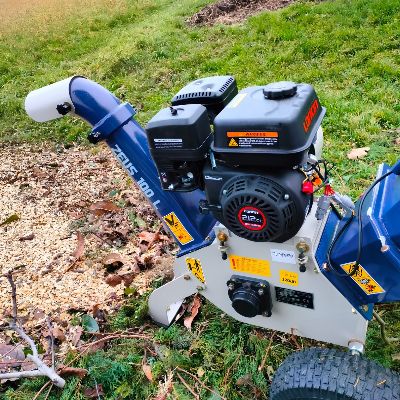
BullMach wood chippers shred branches, brushwood and pruning waste, reducing their volume and making collection easier. The brand develops equipment for agriculture, horticulture, gardening and construction, with a range aimed at both hobbyists and professional operators. BullMach's activities are based in Italy, with offices in Castel Ritaldi, warehouses in Bastia and Castel Ritaldi, and a central service workshop in Spoleto.
Over time, BullMach has expanded its catalogue to include machines for wood processing, green space maintenance, power generation and transport. Its wood chipper range includes electric, petrol-powered and tractor PTO-driven configurations. This selection makes it possible to choose a machine suited to the amount of pruning waste, branch diameter, working frequency and available power source.
The BullMach wood chipper page also includes the following types, designed for different working conditions:
At AgriEuro, BullMach wood chippers can be selected according to their main technical features, helping users identify the model best suited to the material being shredded and the frequency of work. These parameters should be compared with the consistency of the branches and the operating conditions specified by the manufacturer.
Models for hobby use meet the needs of periodic pruning in a garden or small vegetable plot. Semi-professional machines are suitable for larger volumes and recurring work. Professional configurations are intended for agricultural work, grounds maintenance operators and activities requiring continuous operation, greater cutting capacity and more structured feeding systems.
The choice starts with the available power source and the place where the machine will operate. The quantity, diameter, hardness and freshness of the pruning waste should then be assessed. The three BullMach ranges meet the needs of domestic jobs, work away from the mains and agricultural activities carried out with a tractor.
BullMach electric wood chippers are intended for work carried out near a mains connection and are suitable for periodic maintenance of gardens, hedges and small orchards. They can shred light branches and pruning waste within the diameter accepted by the model, producing material that is easier to collect and move. Immediate starting allows the machine to be prepared quickly for occasional or recurring work. The absence of a petrol engine reduces tasks involving fuel, engine oil, spark plugs and air filters. Before choosing, check the power input, cutting capacity, shredding system and required power cable length. Any extension lead must have a cross-section and specifications compatible with the instructions in the manual. These machines are suitable for those working in the same green space with waste compatible with an electric configuration.
Factors to consider for this type include:
BullMach petrol wood chippers are suitable for working where no electricity supply is available, such as orchards, agricultural plots and green spaces far from buildings. The independent engine allows the machine to be taken close to the waste, avoiding long movements of pruning material. The BullMach range includes models with Loncin or Briggs & Stratton engines and configurations featuring electric starting. Some versions have a towable frame suitable for movements permitted by the machine specifications. Power, displacement and cutting capacity must be matched to the quantity of branches, frequency of work and hardness of the wood. The petrol engine requires periodic checks of the oil, air filter, spark plug and fuel. These models meet the needs of semi-professional and professional users processing substantial volumes or working at several points around a property.
Before purchasing, the following elements should be compared:
BullMach tractor-mounted wood chippers are designed for farms, orchards, olive groves and jobs where a compatible tractor and PTO are available. The three-point linkage connects the machine to the lift and allows it to reach different parts of the property. Power is transferred from the PTO to the shredding system at the speed specified by the manufacturer. Some BullMach models have self-feeding rollers; on suitable versions, hydraulic controls regulate the feed of branches. This configuration supports continuous sessions with substantial quantities of woody waste. Before purchasing, check the linkage category, required power, PTO speed, workable diameter and hydraulic circuit requirements. Correctly matching the tractor and wood chipper is decisive for regular operation within the stated limits.
Compatibility with the tractor depends on several parameters:
Buying a BullMach wood chipper from AgriEuro makes it possible to compare the available configurations through technical data sheets, images and dedicated videos. After purchase, services are also available for delivery, maintenance and technical support.
Compare the available BullMach wood chippers and purchase the model best suited to your pruning work from AgriEuro.
The choice mainly depends on the power source, branch diameter, amount of material and working frequency. An electric model is suitable for work near a socket and light pruning waste. A petrol machine offers independence on plots without mains electricity. A tractor-mounted version is suited to continuous agricultural work, provided that power, linkage and PTO are compatible. The feed system, mobility and discharge method should also be compared.
An electric model is suitable for gardens and periodic work near the home, with limited engine maintenance and immediate starting. A petrol wood chipper is preferable when no socket is available, work takes place in several parts of the property or the quantity of branches requires greater independence. The decision should not be based solely on power: workable diameter, wood hardness and frequency of use should also be considered.
The maximum diameter is the technical limit declared for the individual model, not the ideal value for continuous work. Smaller branches should be used when processing hard, dry, seasoned or knotty wood. If the engine loses speed, the material stops advancing or vibrations and irregular operation increase, the load is excessive. Keeping a margin below the limit reduces stress on the blades, belts, bearings and engine.
The wood chipper should receive branches, brushwood and plant waste compatible with the manual. Fresh, clean material tends to advance more regularly than very dry wood. Soil, sand, stones, wire and ties that could damage blades and internal components must be removed before feeding. Very wet leaves, fibrous waste or large quantities of light material can accumulate in the hopper, so they should be alternated with branches suitable for the machine.
The shredded material first of all reduces the volume of pruning waste and simplifies its collection, transport and storage. Depending on particle size, plant species and material condition, it may be composted or used as ground cover. Before any use, the health of the plants should be assessed and the material should be allowed to mature or dry when necessary. Diseased, contaminated or treated waste requires appropriate disposal procedures.
Blockages can be reduced by feeding material gradually without overloading the hopper. Branches should be correctly aligned and allowed to advance through the feed system, where fitted. If the engine slows or discharge becomes irregular, stop feeding and wait for the chamber to clear. Very wet, fibrous or leafy material may need to be alternated with drier branches. Any manual work must only be carried out with the machine switched off and made safe.
Maintenance includes cleaning, blade inspection and checks of the transmission components. On electric models, the cable, plug and connections should also be inspected. Petrol versions require the scheduled maintenance of the engine oil, air filter, spark plug and fuel system. On tractor-mounted chippers, the linkage, PTO shaft, transmission and any hydraulic circuits must be checked. Intervals and procedures vary by model, so the BullMach manual remains the reference for every operation.
The blades should be checked when the chips become uneven, branches feed with difficulty or unusual vibrations and power demands occur. A worn cutting edge places a greater load on the engine and transmission. Chips or deformation may result from contact with stones, soil or metal. Sharpening, turning or replacement must follow the manual and be carried out with the machine isolated from its power source.
The tractor power, three-point linkage category and PTO speed must be compared with the wood chipper data. For models with hydraulically controlled rollers, the flow rate, pressure and connection type must also be checked. The weight of the implement must be compatible with the tractor's lifting capacity. The PTO shaft, guards and connection geometry must also comply with the manufacturer's technical instructions.
Shredding normally requires safety glasses or a visor, hearing protection, suitable gloves, safety footwear and close-fitting clothing. The machine must be positioned on a stable surface and kept clear of anyone not involved in the work. Hands or tools must never be inserted into the hopper, and guards must not be removed. In the event of a blockage, metallic noise or unusual vibration, stop the engine and wait for every moving component to come to a complete standstill before checking the machine.
Si vous souhaitez changer de langue veuillez cliquer sur l'une des icones suivantes: